
Muscle pain, tightness, and stiffness are common reactions to injury, stress, or repetitive movement. To relieve these symptoms and restore comfort, physical therapists in Michigan can use hands-on techniques such as cupping therapy and massage therapy. But while the goal of both is to improve muscle function and reduce pain, there is a difference between the two in how they achieve that goal.
Today we’ll explore the differences between cupping and massage so you can choose the treatment that best fits your needs.
What is Cupping Therapy?
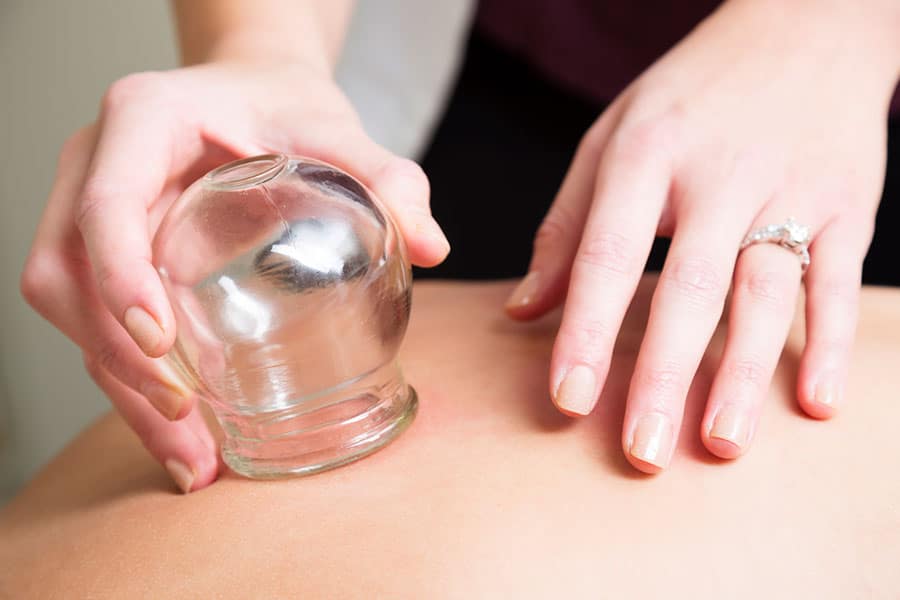
Cupping therapy is a technique that uses specially designed cups placed on the skin to create suction. This suction gently lifts the skin and underlying tissues, which may help increase circulation and reduce muscle tension. The goal is to relieve muscle tension, improve blood flow, and support recovery from physical strain.
Studies show that cupping can help reduce pain and disability, especially in those who suffer from chronic pain.
Cups made of silicone, plastic, or glass are placed on areas of muscle tightness or discomfort. The suction then pulls the tissue upward, helping to loosen tight muscles. It’s common for circular marks to appear on the skin afterwards, but this is only temporary.
What is Massage Therapy?
Massage therapy involves a therapist using their hands, fingers, elbows, or specialized tools to manipulate muscles and soft tissues, with a goal of reducing tension, improving circulation, and promoting relaxation.
There are many massage techniques, including:
- Deep tissue massage
- Trigger point therapy
- Myofascial release
- Sports massage
According to the American Massage Therapy Association, massage therapy can help reduce muscle tension, relieve pain, and improve flexibility and circulation.
Key Differences Between Cupping and Massage
While both treatments target muscle tightness and discomfort, they affect the body in different ways.
Direction of Pressure
- Massage applies downward pressure, pressing into the muscles to release tension and improve circulation.
- Cupping therapy creates negative pressure, gently pulling the skin and tissues upward.
Treatment Sensation
- Massage involves kneading or pressure applied to the muscles, ranging from gentle relaxation to deeper pressure for releasing muscle knots.
- Cupping therapy creates a pulling or stretching sensation on the skin, akin to a “reverse massage” because the tissues are lifted instead of pressed.
Neither treatment should be painful when performed by a trained professional.
Appearance After Treatment
- Massage therapy does not leave visible marks on the skin.
- Cupping therapy leaves round discolorations at the point of cup placement, usually fading within a few days.
Areas of Focus
- Massage therapy works large muscle groups with a variety of techniques.
- Cupping therapy focuses on specific areas of tension or restricted tissue.
When is Cupping Therapy Recommended?
Your Michigan physical therapist may suggest cupping therapy to address muscle tension and movement limitations for conditions such as:
- Back pain
- Neck and shoulder tension
- Sports-related muscle soreness
- Tight fascia or connective tissue
- Limited range of motion
Not only does the suction increase circulation to the area, it supports the body’s natural recovery process.
When is Massage Recommended?
Commonly used for general muscle tension, stress relief, overall well-being, and recovery from physical activity, massage therapy may be recommended for:
- Muscle tightness from overuse
- Stress-related tension
- Recovery after exercise
- Improving flexibility
Can Cupping and Massage Be Used Together?
Yes. It’s common for cupping therapy and massage therapy to be used in conjunction as part of a comprehensive treatment plan.
For example, a therapist may use massage to loosen surrounding muscles and then apply cupping therapy to target specific areas of tight tissue. Combining these techniques can help improve circulation, reduce pain, and restore normal movement.
How to Choose the Right Treatment
While cupping therapy and massage can be helpful for relieving muscle pain and tension, the treatment or combination you choose will depend on your symptoms, condition, and goals.
Your Michigan physical therapist can determine the source of discomfort and recommend the most effective approach – usually a combination of both.
Contact Specialty Physical Therapy
If you are still unsure whether cupping therapy or massage is best for your muscle pain, schedule an evaluation today with our licensed physical therapists within four convenient locations.