
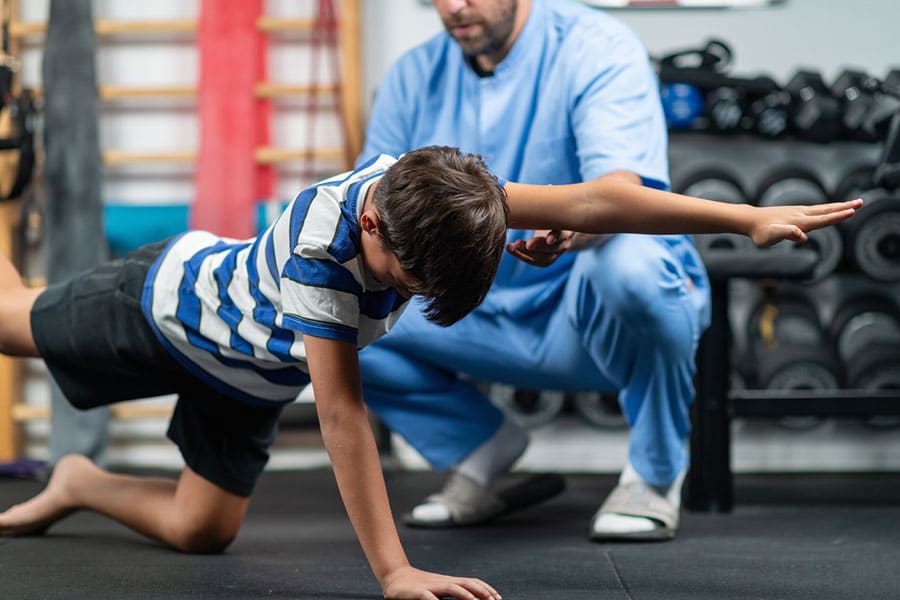
Your vision of physical therapy may include pictures of adults recovering from injury or surgery, or those who need to manage chronic pain later in life. But the reality is that physical therapy isn’t just for adults; it can be just as important for children and teens too. They’re growing exponentially every day, they’re playing sports, and they’re spending more and more time being sedentary on their phones or other devices.
At every stage of development, young bodies are changing drastically as their muscles tighten, bones grow rapidly, coordination shifts, and activity levels increase. Pediatric and adolescent physical therapy in Metro Detroit ensures those changes happen safely in an effort to not only reduce short-term injury risk but to support long-term health as well.
Here’s why physical therapy isn’t just for adults, and how it benefits kids and teens.
Sports Injuries in Young Athletes
About 30 million children and teens participate in some form of organized sports in the United States, and more than 3.5 million injuries occur every year. From soccer and basketball to football and track, youth sports pose many physical and mental benefits. However, there are also many risks involved due to repetitive movement, early specialization, and year-round competition.
Common sports-related injuries in children and teens include:
- Ankle sprains
- Knee pain
- Shoulder strains
- ACL injuries
- Overuse injuries from repetitive motion
Young athletes respond differently to stress than adults do, which is why it’s important for them to get the custom treatment plans they need to account for growth plates and developmental stages.
When meeting with kids and teens, licensed physical therapists in Michigan will:
- Identify movement patterns that contribute to injury
- Strengthen weak muscle groups
- Improve flexibility and joint stability
- Teach proper mechanics for jumping, running, and landing
Not only does early intervention shorten recovery times, it reduces the risk of re-injury.
Posture Problems in the Digital Age
Teens spend an average of eight hours a day on screens, which is two hours more than it was in 2015. Preteens (ages 8 to 12 years) spend an average of 5 ½ hours daily on devices, up an hour from the previous decade.
Prolonged screen time can cause postural problems, such as:
- Forward head position
- Rounded shoulders
- Slouched sitting
- Low back strain
Neck pain, headaches, and muscle imbalances are the top results of poor posture. Physical therapy can help kids and teens adopt healthier postures early on, thus preventing long-term discomfort and chronic pain that can extend into adulthood.
Your Michigan physical therapist can help kids and teens:
- Strengthen postural muscles
- Improve spinal mobility
- Teach ergonomic habits for school and home
- Encourage movement breaks throughout the day
Growth-Related Conditions
Adolescence is a busy period of growth spurts, where their bones grow faster than muscles and tendons can adapt. The result? Pain and inflammation.
Some common growth-related conditions include:
- General muscle tightness and coordination changes
- Osgood-Schlatter disease (knee pain below the kneecap)
- Sever’s disease (heel pain)
Common in active kids between the ages of 8 and 15, these conditions can be helped by physical therapy to manage pain, improve flexibility, and strengthen surrounding muscles.
Safe Return to Play
After an injury, parents and young athletes are usually eager to know when it’s safe to return to the field or court. Re-injury can occur if this process is rushed, especially when it comes to ligament sprains or fractures.
Return-to-play protocols from your Michigan physical therapist can include:
- Strength testing
- Sport-specific drills
- Balance and coordination assessments
- Gradual reintroduction to activity
In addition to addressing pain levels, these protocols also aim to restore full strength, stability, and confidence before returning to play.
Building Healthy Movement For Life
The goal of pediatric physical therapy is to embrace a culture of lifelong healthy movement. It’s essential for young people to learn proper mechanics, flexibility habits, and strength fundamentals, which equip them with the skills they need to grow into active adults.
Contact Specialty Physical Therapy
If your child or teen is experiencing pain, recovering from a sports injury, struggling with posture, or preparing to return to play, schedule an evaluation today with our licensed physical therapists within four convenient locations.