Surgery may the next step on the journey to restoring your health, but it’s not the last phase of recovery. There’s still a lot of work to be done to get back to normal function. How you heal and rebuild strength will determine a large part of your long-term success. That’s where physical therapy in Metro Detroit comes in.
Physical therapy helps people safely regain strength, mobility, and confidence after surgery. From joint replacement to ligament repair, here’s a look at what you can expect from post-surgical physical therapy and why it’s a necessary part of the healing process.
Why is Physical Therapy so Important After Surgery?
After going through surgery, your body needs time to heal, but it also needs to relearn the right kinds of movement to prevent complications and restore normal function. Without the proper rehabilitation, stiffness, weakness, swelling, or even re-injury can result.
Physical therapy after surgery can:
- Reduce pain and swelling through exercises and hands-on techniques.
- Improve flexibility and mobility to help with natural movements.
- Rebuild strength in muscles that were weakened or immobilized during recovery.
- Restore balance and coordination to make everyday activities safer and easier.
- Prevent scar tissue buildup that can limit range of motion.
Your physical therapist in Metro Detroit will collaborate with your surgeon to come up with a program that complements your specific procedure, fitness level, and goals.
What to Expect: Early Stages
After surgery, the goal of your first few sessions will be to help your body heal safely. You will start off with gentle movements that not only improve circulation, but reduce stiffness and minimize swelling as well.
Your physical therapist will:
- Review your surgical notes and communicate with your surgeon as needed.
- Take a look at the incision area and evaluate range of motion.
- Teach you some light exercises or assisted movements to prevent stiffness and blood clots.
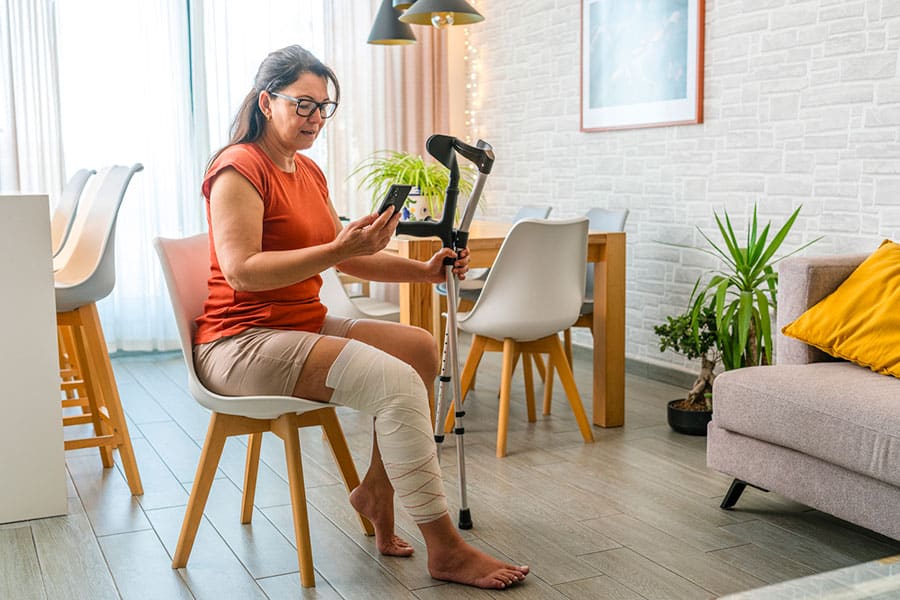
- Show you how to walk safely with crutches, stand up from a chair, or get in and out of bed.
In addition, manual therapy, a hands-on technique, can be used to manage swelling or improve mobility in surrounding joints. These early stages will build the foundation for the rest of your physical therapy regimen.
Gradual Rebuilding: Strength and Mobility
Sessions will become more active now, whereby your therapist will introduce targeted strengthening and flexibility exercises with the goal of restoring function to your muscles and joints.
This may involve a blend of:
- Resistance training: Bands, weights, or bodyweight exercises.
- Balance and coordination drills: Prevention of future injuries.
- Gait training: Improve walking patterns.
- Functional training: Simulate real-life activities (climbing stairs, lifting boxes, etc.).
The goal of this part of the plan is to retrain your body to move naturally again.
Learning How to Manage Pain
Some degree of soreness or fatigue is expected after surgery as your body heals and adjusts to new movement patterns. However, it’s important to prevent overexertion, which is where pain management techniques come in, like:
- Heat or cold therapy
- Soft tissue mobilization
- Gentle stretching and manual manipulation
- Electrical stimulation
Not only do these treatments help control pain, they improve circulation and support natural healing.
The Journey to Full Recovery
Recovery timelines will be different for everyone. How long it takes for you will depend on what type of surgery you had, your age, and your general health. It may only take a few weeks to regain strength, or it could take several months. Consistency is key, so be sure to attend every physical therapy session and follow the plan exactly as your therapist has outlined.
Once rehab is done, you should enjoy improved strength and flexibility in your movement, with the ability to confidently return to your favorite activities safely.
Contact Specialty Physical Therapy
Have you just had surgery? Visit Specialty Physical Therapy today a comprehensive surgery recovery plan to get you back up and running again.